
Free Sleep & Recovery
Resources for Shift Workers
Practical guides, tools, checklists, and templates to help you sleep better, recover faster, stay alert, and feel your best—no matter your schedule.
100% Free
No Sign-Up Required
Science-Backed
Trusted by Shift Workers
Practical & Actionable
Easy to Use Every Day
Created for Shift Workers
Nurses, Drivers, First Responders & More
Featured Free Resources
Start with our most popular resources, designed to deliver the biggest impact.

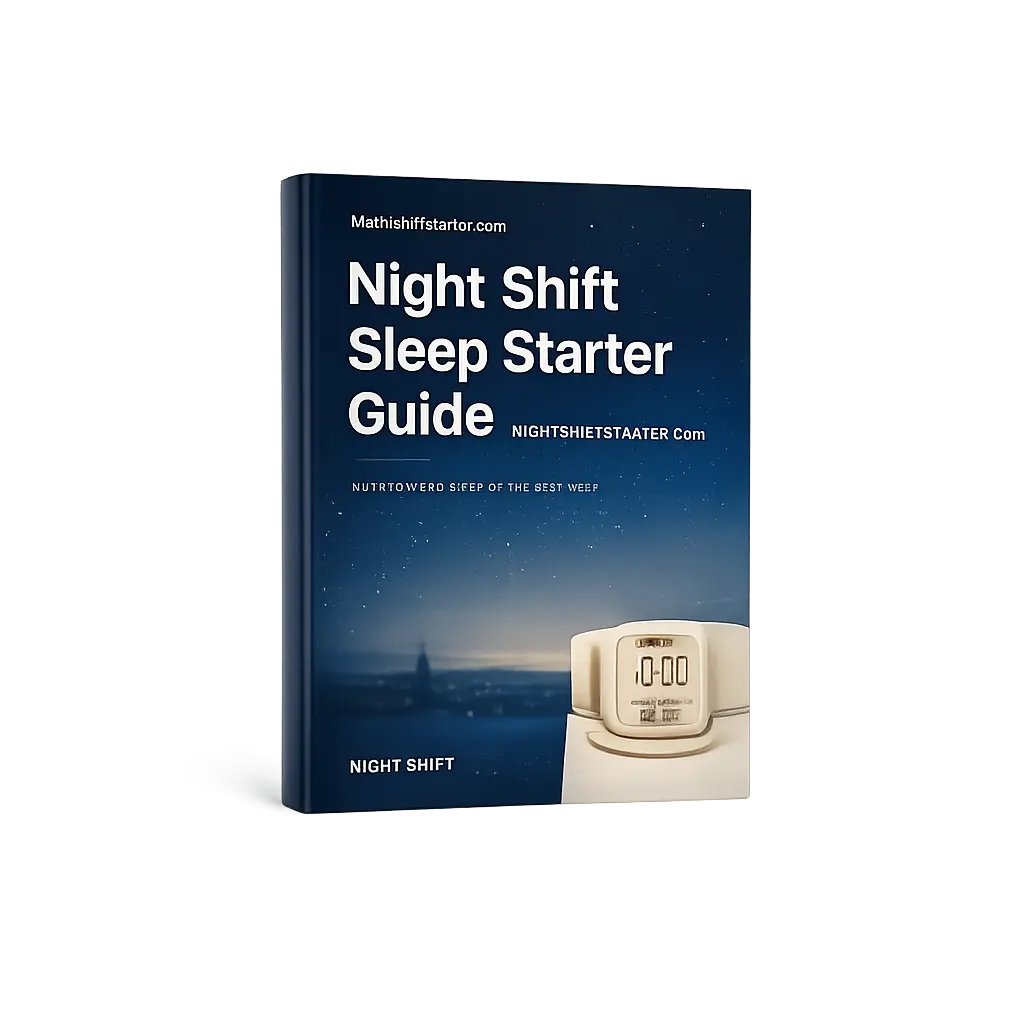
Night Shift Sleep Starter Guide
The essential guide for anyone struggling to sleep after overnight shifts.
Shift Worker Sleep Checklist
A printable checklist to build your ideal sleep routine before and after every shift.
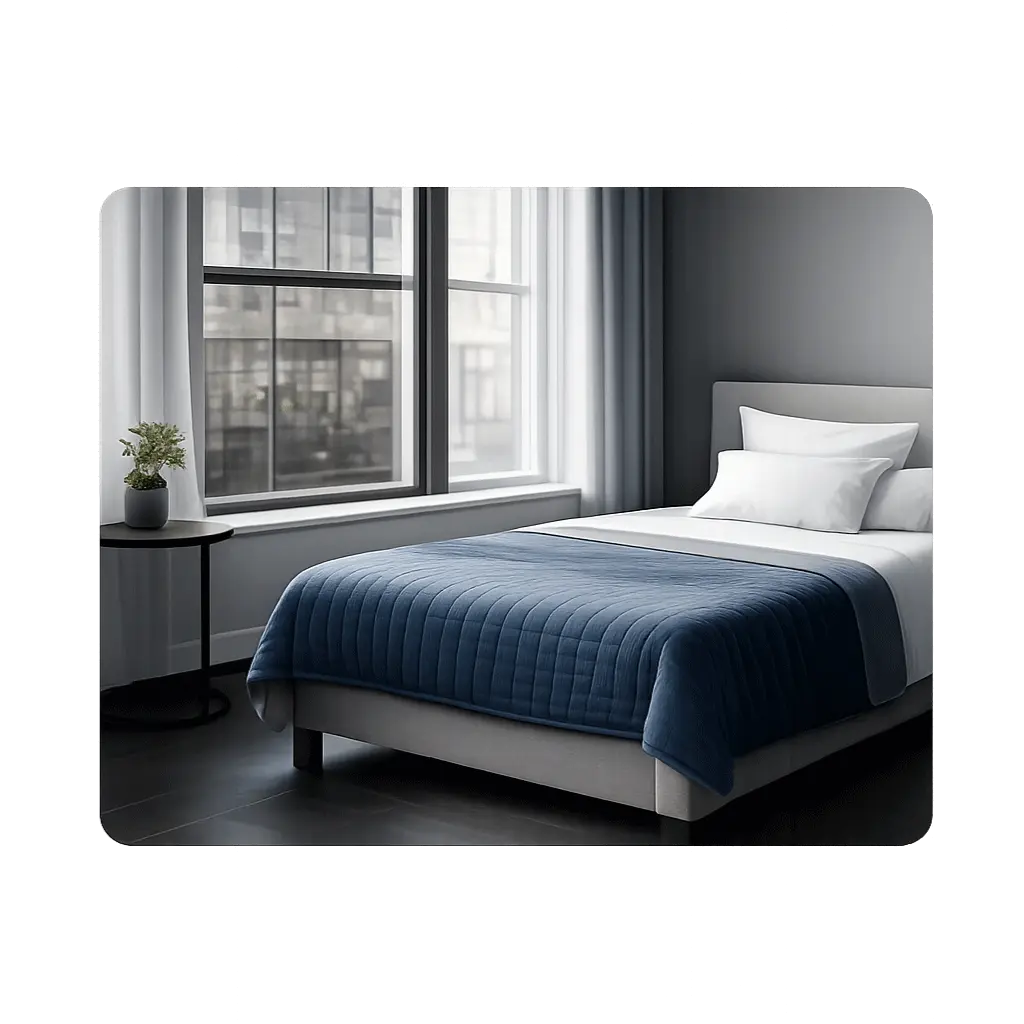
Daytime Sleep Optimization Checklist
Simple strategies to make sleeping during the day easier and more restorative.

Caffeine Timing Cheat Sheet
Learn exactly when to consume—and avoid—caffeine for maximum alertness without crashing.

Bedroom Optimization Guide
Create a sleep-friendly environment even when you need to sleep during daylight hours.

Free Sleep & Recovery Tools
Sleep
Calculator
Bedtime Calculator
Nap
Calculator
Sleep Debt Calculator
Shift Schedule Planner
Caffeine Timing Calculator
Recovery Score Calculator
Hydration Calculator
Recovery Routine Builder
Checklists & Printables
Night Shift Preparation Checklist
Post-Shift Recovery Checklist
Healthy Night Shift Meal Planner
Weekly Recovery Planner
Bedroom Darkness Checklist
Sleep Hygiene Checklist
Weekend Recovery Checklist
Rotating Shift Adaptation Checklist
Most Popular Guides

How to Sleep After a Night Shift
Step-by-step strategies to fall asleep faster and stay asleep longer during the day.

Best Sleep Schedule for Night Shift Workers
Sample schedules and routines that actually work.

Shift Work Sleep Disorder (SWSD) Explained
Symptoms, causes, and proven management strategies.

Circadian Rhythm 101
Understand your body clock and how to work with it, not against it.

Best Sleep Masks for Daytime Sleep
Block light and sleep deeper with our top picks.
Recommended Apps & Programs
Sleep Tracking Apps
Track your sleep and identify patterns.
Meditation & Relaxation Apps
Reduce stress and calm your mind.
White Noise Apps
Block distractions and sleep deeper.
Recovery & Wellness Apps
Support recovery, habits, and overall health.
Habit Building Programs
Build better routines that last.
Sleep Science Library
Circadian Rhythm
Sleep Cycles
Melatonin
Sleep Debt
Light Exposure
REM Sleep
Blue Light
Fatigue Science
Join 10,000+ Shift Workers Improving Their Sleep
Get one practical, science-backed email each week with tips, strategies, and resources to sleep better, recover faster, and stay energized on any schedule.
No spam. Unsubscribe anytime.
Frequently Asked Questions
Most adults need 7–9 hours of sleep in a 24-hour period. Shift workers often need to be more intentional about protecting sleep windows because circadian disruption makes rest less efficient.
No. Sleep need is biologically driven. You can improve sleep efficiency and recovery habits, but chronically restricting sleep increases fatigue, errors, and long-term health risks.
Gradually shift your sleep window, use strategic light exposure, protect a dark quiet sleep environment, and allow transition days when possible. Our Shift Schedule Planner can help you map this out.
Use blackout curtains, white noise, a cool room, a wind-down routine, and avoid bright light and caffeine on the commute home. A consistent post-shift ritual signals your body it’s time to rest.
Yes — short prophylactic naps (20–30 minutes) before a night shift and brief recovery naps can reduce fatigue. Avoid long late-day naps that interfere with your main sleep block.
As a general rule, stop caffeine 6–8 hours before your planned sleep time. Night-shift workers often need an earlier cutoff than they expect. Try our Caffeine Cutoff Timer.